How to Spot Wheel Corrosion Before It Becomes Dangerous
25 June 2026
As you may know, alloy wheels are made from a mixture of metals such as aluminium and magnesium. Designed to be light and sturdy, however, your wheels go through a lot every day. From potholes and kerbs to rain, road salt, and brake dust, they are constantly exposed to conditions that can cause wear and tear.
In many cases, wheel corrosion starts as a cosmetic issue, but if left untreated, it can lead to air leaks, poor tyre performance, and even compromise the strength of the wheel itself. The good news is that there are several warning signs you can look out for before corrosion becomes a safety concern. Keep reading to find out how to spot wheel corrosion before it becomes dangerous.
Have You Noticed Rust or Damage on Your Wheels?
Over time, exposure to moisture, road salt, dirt, and everyday wear can cause wheel corrosion. While it may start as a cosmetic issue, severe corrosion can eventually affect wheel performance, tyre sealing, and overall vehicle safety.
Knowing how to spot wheel corrosion early can help you avoid expensive repairs and keep your vehicle performing as it should.
What Is Wheel Corrosion?
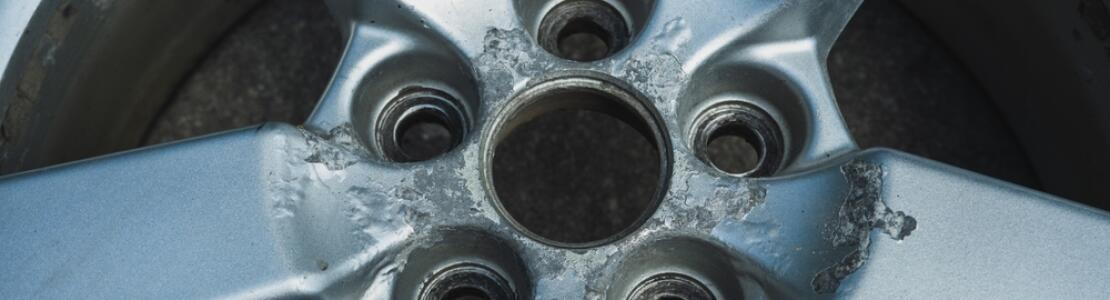
Wheel corrosion occurs when the surface of your wheels deteriorates causing bubbling paint or sealant and the metal becomes pitted, scratched and discoloured due to exposure to environmental factors. This is particularly common on alloy wheels, although steel wheels can also be affected.
Corrosion develops when moisture, oxygen, road salt, and contaminants begin to affect the wheel surface. Over time, the protective finish can become damaged, allowing corrosion to spread underneath the coating.
What Causes Corroded Wheels?
Road Salt
One of the biggest causes of wheel corrosion in the UK is road salt. During winter, salt is spread across roads to prevent ice from forming. While effective for road safety, salt can accelerate the corrosion process when it sits on your wheels for extended periods. Purchase winter tyres from Setyres ahead of time to prepare your car for the harsh weather.
Brake Dust
Brake dust contains tiny metal particles that can become embedded in wheel surfaces. If left untreated, these particles can react with moisture and contribute to corrosion.
Kerb Damage
Even minor scrapes against a kerb can damage the protective coating on a wheel. Once the finish is compromised, water and contaminants can reach the metal beneath.
Lack of Cleaning
Regular cleaning helps remove dirt, salt, and other contaminants. Wheels that are rarely cleaned are often more vulnerable to corrosion.
Age and Wear
Over time, the protective lacquer and paint on wheels naturally deteriorate. Older wheels are therefore more likely to develop corrosion issues.
Common Signs of Wheel Corrosion
Spotting wheel corrosion early can prevent more serious problems later.
Bubbling or Peeling Paint
One of the earliest signs of wheel corrosion is paint or lacquer beginning to bubble, crack, or peel away from the wheel surface.
White Powdery Deposits
Many alloy wheels develop a white, powder-like substance underneath the lacquer. This is often a sign that corrosion is forming beneath the surface coating.
Pitting
Small holes or rough patches in the wheel surface can indicate corrosion has started to eat into the metal.
Discolouration
Areas that appear dull, stained, or different in colour from the rest of the wheel may be affected by corrosion.
Air Loss from Tyres
In more severe cases, corrosion can develop where the tyre meets the wheel rim. This can prevent a proper seal from forming, causing slow tyre pressure loss.
Can Wheel Corrosion Become Dangerous?
In many cases, minor wheel corrosion is largely cosmetic.
However, if left untreated, it can eventually create more serious issues.
Severe corrosion can:
- Affect the structural integrity of the wheel
- Cause tyre sealing problems
- Lead to recurring tyre pressure loss
- Increase the risk of wheel damage
- Result in expensive repairs or wheel replacement
If corrosion is extensive or accompanied by cracks, significant pitting, or tyre pressure issues, the wheel should be professionally inspected as soon as possible.
How to Check Your Wheels for Corrosion
You don't need specialist equipment to carry out a basic wheel inspection.
Start by cleaning your wheels thoroughly to remove dirt and brake dust. Once clean, inspect the entire wheel surface for:
- Bubbling lacquer
- Peeling paint
- White corrosion spots
- Deep scratches or kerb damage
- Pitting or rough areas
- Cracks or structural damage
Pay particular attention to the inner rim area, as corrosion often develops where it is less visible.
How Can You Prevent Wheel Corrosion?
Wash Your Wheels Regularly
Frequent cleaning removes road salt, brake dust, and contaminants before they can cause damage.
Remove Road Salt Quickly
During winter, it's a good idea to wash your vehicle more frequently, particularly after driving on salted roads.
Apply Wheel Protection Products
Wheel sealants and protective coatings can help create a barrier against moisture and contaminants.
Repair Damage Promptly
Small chips and scratches should be repaired before corrosion has a chance to spread beneath the wheel coating.
Check Tyre Pressure Regularly
Unexpected tyre pressure loss could indicate corrosion around the wheel rim affecting the tyre seal.
Can Corroded Wheels Be Repaired?
In many cases, yes.
Minor wheel corrosion can often be treated through professional wheel refurbishment. This process typically involves removing corrosion, repairing damage, and applying a fresh protective finish.
However, if corrosion has significantly weakened the wheel structure, replacement may be the safer option.
A professional technician can assess the condition of the wheel and advise on the most appropriate solution.
How Setyres Can Help Protect Your Wheels
If you're concerned about wheel corrosion, tyre pressure loss, or wheel damage, the team at Setyres can help assess your vehicle and identify any issues before they become more serious with regular servicing.
Find your nearest Setyres branch and book an appointment online today.
FAQs
What does wheel corrosion look like?
Wheel corrosion often appears as bubbling paint, peeling lacquer, white powdery deposits, pitting, or areas of discolouration on the wheel surface.
Can corroded wheels cause tyre pressure loss?
Yes. Corrosion around the wheel rim can prevent the tyre from sealing correctly, resulting in slow air leaks and recurring pressure loss.
Are corroded wheels an MOT failure?
Minor cosmetic corrosion is unlikely to fail an MOT. However, severe corrosion that affects the structural integrity of the wheel could lead to your vehicle failing its MOT test.
Can alloy wheels rust?
Rust is caused by the oxidation of iron and steel and as alloy wheels are not made from these metals they do not rust, but they can corrode. This corrosion often appears as white powdery deposits and bubbling lacquer.
Is wheel corrosion covered by warranty?
This depends on the vehicle manufacturer and the age of the vehicle. Corrosion caused by external damage or wear and tear is not usually covered.