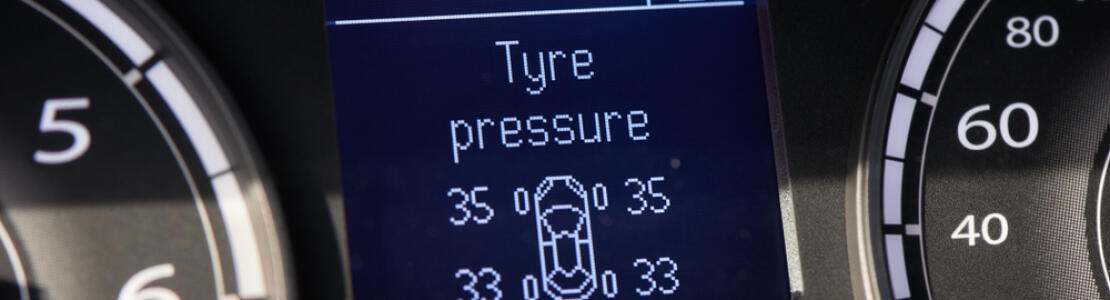
Why Your Tyre Pressure Drops in Cold Weather
12 February 2026
Many drivers experience low tyre pressure during winter and wonder whether something is wrong with their tyres. The reality is, cold weather does affect tyre pressure, and it’s completely normal. Understanding why it happens and how to manage it can help keep your car safe, efficient, and comfortable to drive during colder months
The Science Behind Tyre Pressure and Cold Air
Air inside your tyres is made up of gas molecules that move constantly. When the temperature drops, these molecules slow down and take up less space. Because tyres are sealed systems, this reduction in molecular motion results in lower internal pressure.
This is why tyre pressure doesn’t stay constant throughout the year. Even if no air escapes, pressure can still drop simply due to temperature change.
A practical rule used in the automotive industry is:
- For every 10°C drop in temperature, tyre pressure falls by around 1 - 2 PSI
In the UK, overnight temperature swings in winter can easily trigger this drop, especially when cars are parked outdoors.
Why Tyre Pressure Drops Seem Worse in Winter
Cold weather doesn’t just cause pressure loss; it also exposes existing weaknesses in your tyres.
Rubber Becomes Less Flexible
As temperatures fall, tyre rubber stiffens slightly. This reduces its ability to seal perfectly against the wheel rim, particularly on older tyres. As a result, air can escape more easily through tiny gaps that weren’t an issue in summer.
Valves and Seals Are Under More Stress
Tyre valves are made of rubber and metal. Cold weather can cause rubber components to harden or crack over time, leading to slow leaks that become more noticeable in winter.
Moisture Inside the Tyre
Small amounts of moisture can enter tyres during inflation. In cold weather, this moisture condenses, affecting pressure readings and contributing to fluctuations.
This is why some drivers find they need to top up tyre pressure repeatedly during winter, even without a puncture. To reduce winter tyre issues, check pressures regularly, inspect for damage, and clean your tyres to remove built-up dirt and debris.
Gradual Air Loss
All tyres lose air naturally over time. In winter, this process becomes more noticeable because cold air is denser leading to a drop in tyre pressure.
Kerb Damage and Potholes
Winter roads are harder on tyres. Hitting potholes or kerbs can damage the tyre bead (where the tyre seals against the wheel), leading to slow leaks.
Uneven Wear
Tyres worn unevenly due to alignment or suspension issues may struggle to hold pressure evenly, particularly in cold conditions.
This is why pressure loss should never be ignored as it may indicate a deeper issue.
Why Low Tyre Pressure Is More Dangerous in Winter
Driving with low tyre pressure is risky at any time, but winter conditions make the consequences more severe.
Reduced Grip
Underinflated tyres have a larger contact patch, but that doesn’t mean more grip. In cold, wet, or icy conditions, this actually reduces traction and increases the risk of skidding.
Longer Braking Distances
Low pressure affects how evenly your tyres make contact with the road, increasing braking distance, a major issue on slippery winter surfaces.
Increased Risk of Tyre Damage
Underinflated tyres flex more, generating heat and stress in the sidewalls. On long winter journeys, this can increase the risk of tyre failure.
Higher Fuel Consumption
Soft tyres increase rolling resistance, meaning your engine must work harder, something drivers often notice more in winter.
Why Your Tyre Pressure Warning Light Comes on More Often in Winter
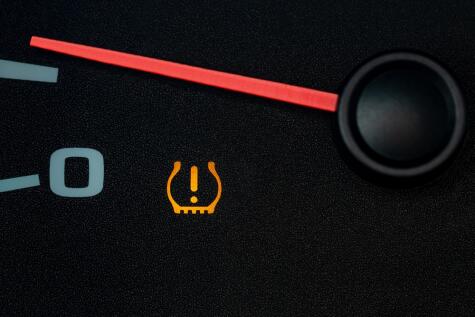
Modern vehicles use Tyre Pressure Monitoring Systems (TPMS). These systems are highly sensitive and designed to alert you as soon as tyre pressure drops below safe levels.
In winter:
- Overnight temperature drops trigger alerts
- Pressure rises slightly as tyres warm up when in motion
- The warning light may turn on and off intermittently
This doesn’t mean the system is faulty, it’s doing exactly what it’s designed to do. Obviously if there is no obvious reason for the TPMS activating, the system might need resetting.
Does Cold Weather Affect Tyre Pressure Even If There’s No Puncture?
Absolutely. Low tyre pressure in winter doesn’t automatically mean you have a puncture. In most cases, it’s simply the result of colder air inside the tyre.
However, colder conditions can also make existing issues more noticeable. Small leaks, worn valves, or slow punctures that weren’t obvious in warmer weather can become more apparent once temperatures drop.
How Often Should You Check Tyre Pressure in Cold Weather?
In winter, tyre pressure should be checked:
- At least once a month
- Before long journeys
- After sudden temperature drops
- If the warning light appears
Always check pressure when tyres are cold, as driving warms the air inside and gives an inaccurate reading. We have a guide on winter car checks here.
Are Winter or All-Season Tyres Worth Considering?
While winter and all-season tyres don’t stop pressure loss entirely, they are designed to perform better in low temperatures.
Their rubber compounds remain flexible below 7°C, helping maintain grip and braking performance even when tyre pressure fluctuates slightly. For drivers covering long distances in winter or driving early mornings and evenings, this can significantly improve safety and control.
When Low Tyre Pressure Becomes a Bigger Problem
You should seek professional advice if:
- One tyre consistently loses pressure faster than others
- Pressure drops return shortly after inflation
- You notice vibration, pulling, or uneven wear
- The warning light stays on
These symptoms often indicate valve faults, tyre damage, or wheel issues that need proper inspection.
How Setyres Can Help
Cold weather tyre pressure drops are normal but ignoring them isn’t advisable. At Setyres, we offer tyre pressure checks, inspections, replacements, and servicing to keep your car safe throughout winter.
Whether you need a quick top-up, new tyres, or advice on winter-ready options, our team is here to help. Find a centre or book a service with us today and drive with confidence, whatever the weather brings.